On Wednesday, the State Water Resources Control Board voted unanimously to grant a water right for Sites Reservoir, a 1.5 million acre-foot lake planned for the dry hills of Colusa County about 65 miles northwest of Sacramento. It is the largest surface-water storage project California has approved in more than half a century. Most of the coverage has been about salmon, the Delta, and billions of dollars. But it is also a good excuse to look closer to home: most Sacramento-area tap water already starts as river water, and river water has its own quirks by the time it reaches your kitchen.
What the Water Board approved
Sites would sit roughly 10 miles west of the town of Maxwell, filled not by its own river but by pumping water out of the Sacramento River near Red Bluff and Hamilton City. The permit lets the project divert only between November and mid-June, and only when the river is carrying more than senior water-right holders, Delta water quality, and fish need. The annual cap is 986,000 acre-feet, which the Water Board says is enough to supply about 8.4 million people. Board Chair E. Joaquin Esquivel put it this way: "Climate change is here, and we must lean into new ways of managing water."
The project is not cheap or quick. Courthouse News reports the state estimated the cost at $4 billion in 2024, while opponents now put it at $6.8 billion to $9 billion, with an expected operational date of 2035. Critics, including Save California Salmon, say the final permit softened a draft safeguard that would have blocked diversions when Delta outflow dropped too low.
Where Sacramento-area tap water comes from today
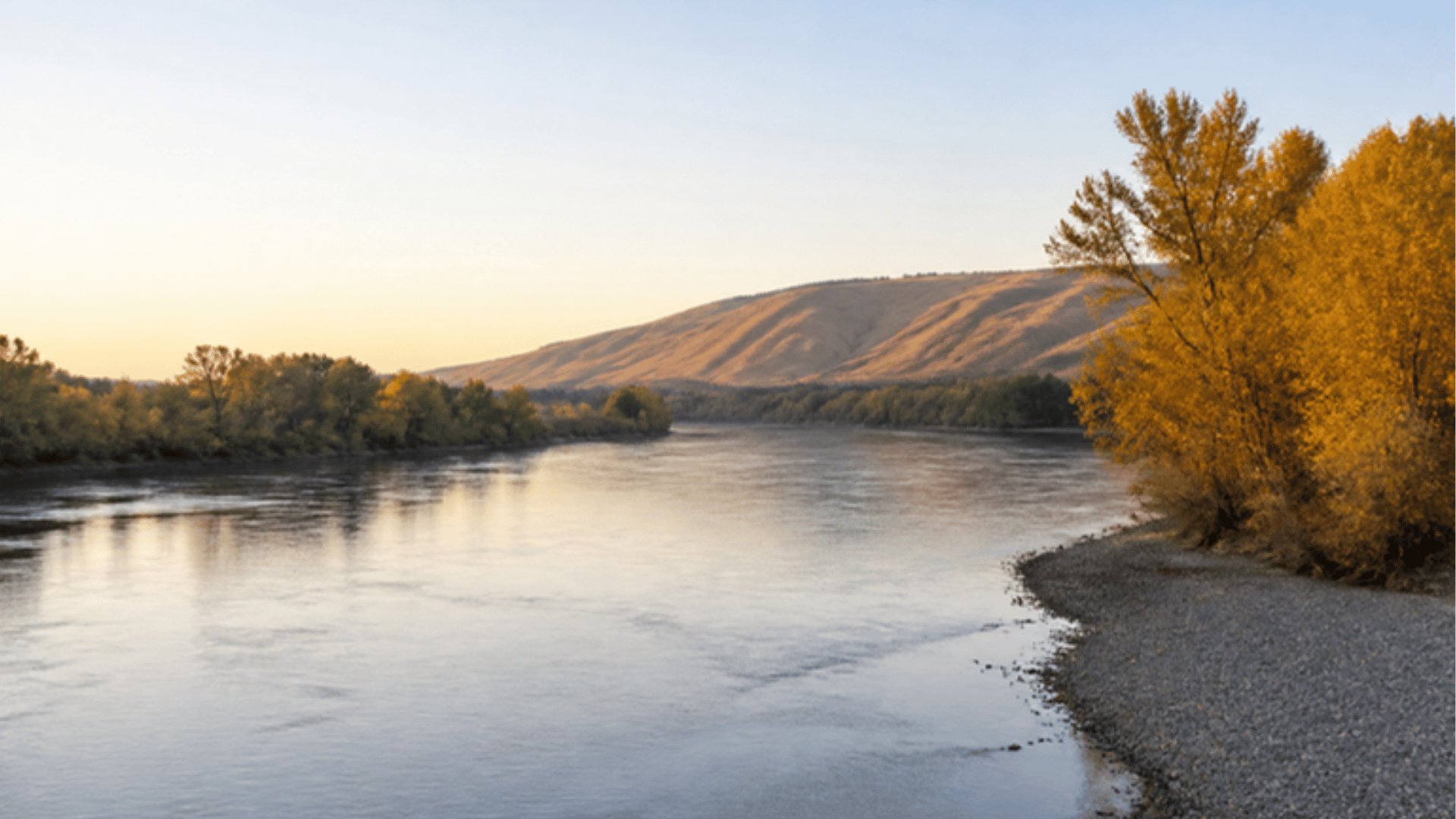
You do not have to wait until 2035 to drink river water here. The City of Sacramento's 2025 Consumer Confidence Report says about 80 percent of the city's supply comes from the American and Sacramento rivers, treated at the E.A. Fairbairn plant on the American River and the Sacramento River Water Treatment Plant, with the remaining 20 percent pumped from groundwater wells. Many suburban districts in Placer, El Dorado, and Sacramento counties draw from the same two rivers, largely through Folsom Lake, and blend in well water when they need to.
Surface water and well water behave differently. The city's report lists hardness at about 34 mg/L (2.0 grains per gallon) at the American River plant and 63 mg/L (3.7 grains) at the Sacramento River plant, while its wells ranged from 15 to 154 mg/L, or up to 9 grains per gallon. That is why two homes a few miles apart can see very different spotting on their glassware: it depends on how much of their water came from wells that month.
The trade-off that comes with river water
River and reservoir water carries leaves, algae, and other natural material that groundwater does not. Treatment plants settle and filter most of it out, then add chlorine so the water stays safe on its trip through miles of pipe. Sacramento reported a system-wide average chlorine level of 0.8 mg/L in 2025, which is what you smell in a fresh glass and what many people notice as dry skin and dry hair after a shower.
Chlorine has a side effect, though. The EPA explains that disinfection byproducts form when disinfectants combine with naturally occurring materials found in source water. The two main regulated groups are total trihalomethanes (TTHMs) and haloacetic acids (HAA5), and the EPA says that consuming them above its standard over many years "may increase health risks." In 2025, Sacramento averaged 63 micrograms per liter of TTHMs against a limit of 80, and 29 micrograms per liter of HAA5 against a limit of 60. The water meets its standards, but TTHMs are a case where river-fed systems tend to run higher than well-fed ones, simply because there is more organic material for the chlorine to react with.
River water also explains the late-summer earthy taste many Sacramento residents know well. The city's report attributes it to geosmin and 2-methylisoborneol, compounds produced by algae in the rivers and reservoirs that conventional treatment does not remove.
How to check what your own water is doing
Every utility publishes a Consumer Confidence Report each year, usually by July 1. Look for the source-water section first, then the rows labeled TTHM, HAA5, hardness, and chlorine. You can also type your zip code into the Environmental Working Group's Tap Water Database to see your utility's results compared with health guidelines. If you want to know what is actually coming out of your faucet, including the effect of your own home's plumbing, a test at the tap is the only way to see it.
For homes on river-fed systems, this is also where filtration fits naturally. Whole-home carbon filtration is designed to address chlorine, chloramine, TTHMs, sediment, and the taste-and-odor compounds that treatment leaves behind, and a softener handles the hardness that shows up when wells join the mix. Reverse osmosis at the kitchen sink is designed for dissolved contaminants like nitrates, PFAS, lead, arsenic, and chromium-6 in your drinking and cooking water.
Curious what's in your water? Book a complimentary water test — about 30 minutes, no obligation.
Healthier water, healthier family.
Sources
- State Water Resources Control Board, "State Water Board approves water right for Sites Reservoir," November 4, 2026 — https://www.waterboards.ca.gov/press_room/press_releases/2026/pr20261104-state-water-board-approves-water-right-for-sites-reservoir.html
- Courthouse News via Maven's Notebook, "California water board approves permit for Sites Reservoir project," November 5, 2026 — https://mavensnotebook.com/2026/11/05/courthouse-news-california-water-board-approves-permit-for-sites-reservoir-project/
- KRCR, "'Major blow to Tribes': California approves Sites Reservoir permit," November 5, 2026 — https://krcrtv.com/news/local/california-approved-water-right-permit-for-sites-reservoir-despite-environmental-concerns
- City of Sacramento Department of Utilities, "2025 Consumer Confidence Report," June 1, 2026 — https://www.cityofsacramento.gov/content/dam/portal/dou/utilities/water/water-quality/documents/2025%20Consumer%20Confidence%20Report.pdf
- U.S. EPA, "Stage 1 and Stage 2 Disinfectants and Disinfection Byproducts Rules," updated June 30, 2026 — https://www.epa.gov/dwreginfo/stage-1-and-stage-2-disinfectants-and-disinfection-byproducts-rules
- Environmental Working Group, "EWG Tap Water Database" — https://www.ewg.org/tapwater/