If PFAS headlines have you checking your water, start with your utility’s results. Look for which PFAS were tested, what was measured, and when the samples were taken. Then check a filter’s documented reduction claims for those substances before you buy.
What PFAS are
PFAS (per- and polyfluoroalkyl substances) are a large family of man-made chemicals used in nonstick coatings, stain-resistant fabrics, food packaging and firefighting foam. They break down very slowly, which is how they earned the "forever" nickname. Two of the most studied are PFOA and PFOS.
What the federal rule says right now
In April 2024, the EPA set the first national drinking water limits for PFAS. PFOA and PFOS are each limited to 4.0 parts per trillion (ppt). Water systems must finish initial monitoring by April 2027 and meet the limits by April 2029 (Federal Register).
In May 2026, the EPA proposed two changes:
- Keep the PFOA and PFOS limits at 4 ppt, but let water systems request up to two extra years, to April 2031 (Federal Register).
- Remove the limits for four other PFAS: PFHxS, PFNA, HFPO-DA (GenX) and a mixture standard (Federal Register).
As of mid-October 2026, neither proposal is final, and a federal court challenge to the 2024 rule was argued in September with no decision yet (DrinkingWaterFilter.com tracker). So the short version: the 4 ppt limits for PFOA and PFOS are still on the books, and the EPA has said it intends to keep them.
What California says
California goes further on the health side. In April 2024, the state's Office of Environmental Health Hazard Assessment adopted Public Health Goals of 0.007 ppt for PFOA and 1 ppt for PFOS, based on cancer risk (OEHHA). For non-cancer effects, OEHHA set health-protective levels of 3 ppt for PFOA and 2 ppt for PFOS (OEHHA notice).
These goals sit below what labs can reliably measure today. They aren't legal limits. They guide the State Water Board as it develops California's own enforceable standards.
| PFOA | PFOS | |
|---|---|---|
| Federal legal limit (2024 rule) | 4.0 ppt | 4.0 ppt |
| California Public Health Goal | 0.007 ppt | 1 ppt |
| Utility deadline to comply | April 2029 (2031 if an extension is finalized and granted) | Same |
How to find out if PFAS is in your water
- Your utility's annual report. Under the 2024 rule, systems start sharing PFAS results with customers from 2027.
- EPA's monitoring data. Many systems were already tested under a national monitoring program.
- Private well? Federal limits don't apply. You'd need a certified lab test.
Do home filters work on PFAS?
Yes, the right ones. EPA research found that point-of-use activated carbon, ion exchange and reverse osmosis systems can greatly reduce PFAS levels (EPA). Boiling water does not remove PFAS (Minnesota Dept. of Health).
What to look for:
- Certification by name. Look for NSF/ANSI 53 (filters) or NSF/ANSI 58 (reverse osmosis) with PFOA/PFOS listed as a specific claim (EPA). A filter certified for chlorine or lead isn't automatically certified for PFAS.
- Point-of-use is the practical fit for RO. Reverse osmosis works best at a single drinking-water tap, not as whole-home treatment (Minnesota Dept. of Health).
- Realistic expectations. EPA notes that current certifications don't yet prove a filter gets PFAS down to the new 4 ppt limits (EPA). Certified filters still reduce levels substantially.
- Maintenance. Filters only work while the media is fresh. Follow the replacement schedule.
The bottom line for your family
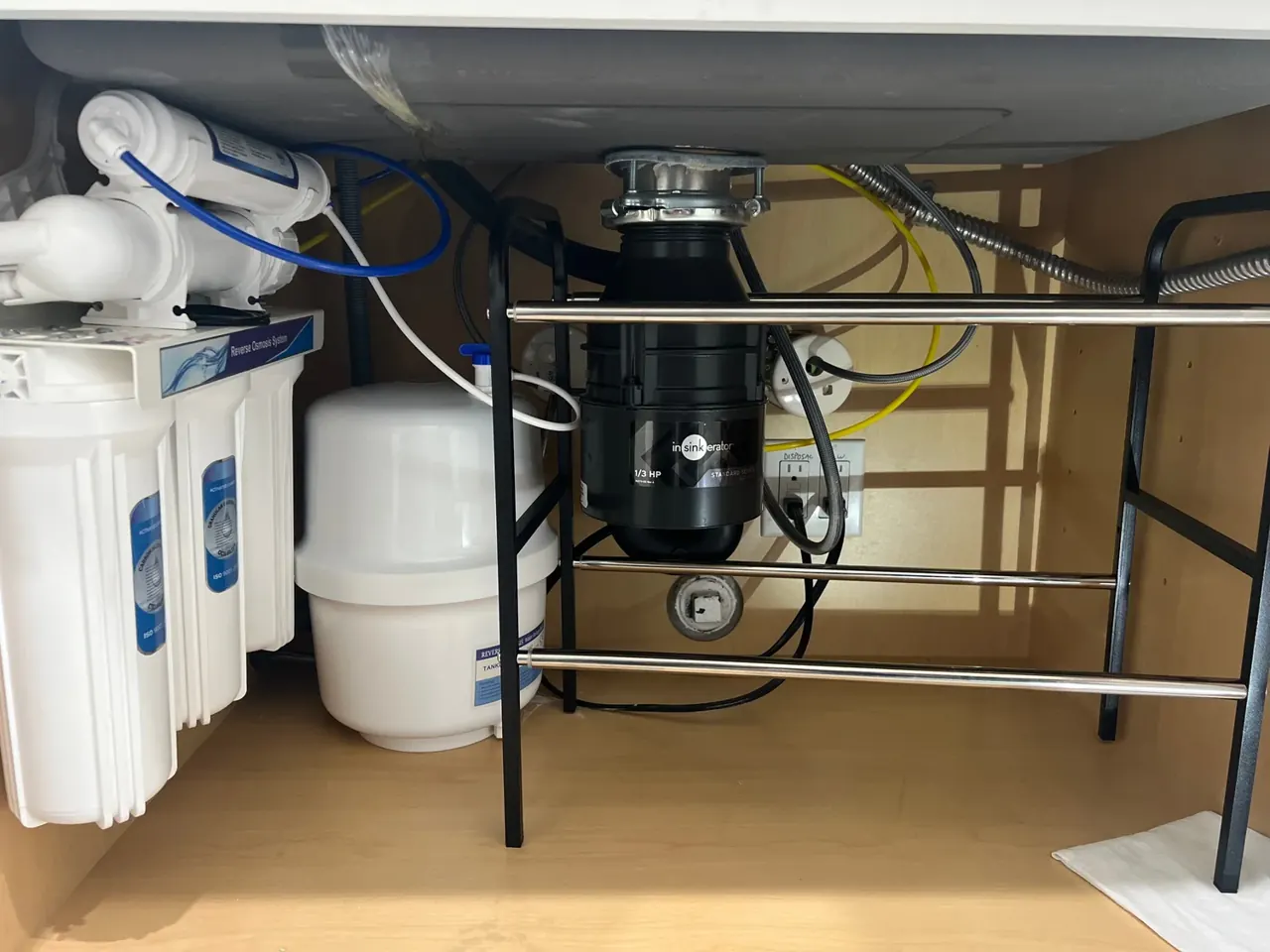
The rules are moving, but the science on PFOA and PFOS hasn't softened, and California's health goals are far below the legal limit. If you'd rather not wait until 2029 or 2031 for your utility to act, a certified reverse osmosis system at the kitchen sink is the most direct step you can take for drinking and cooking water.
Every Family First Water installation includes Legacy RO with a dedicated drinking-water faucet. We'll show you the system's actual certification listings, so you know exactly which contaminants it's tested for. Book a complimentary water test and we'll pull your utility's data together with you. Call 916-751-1781.